








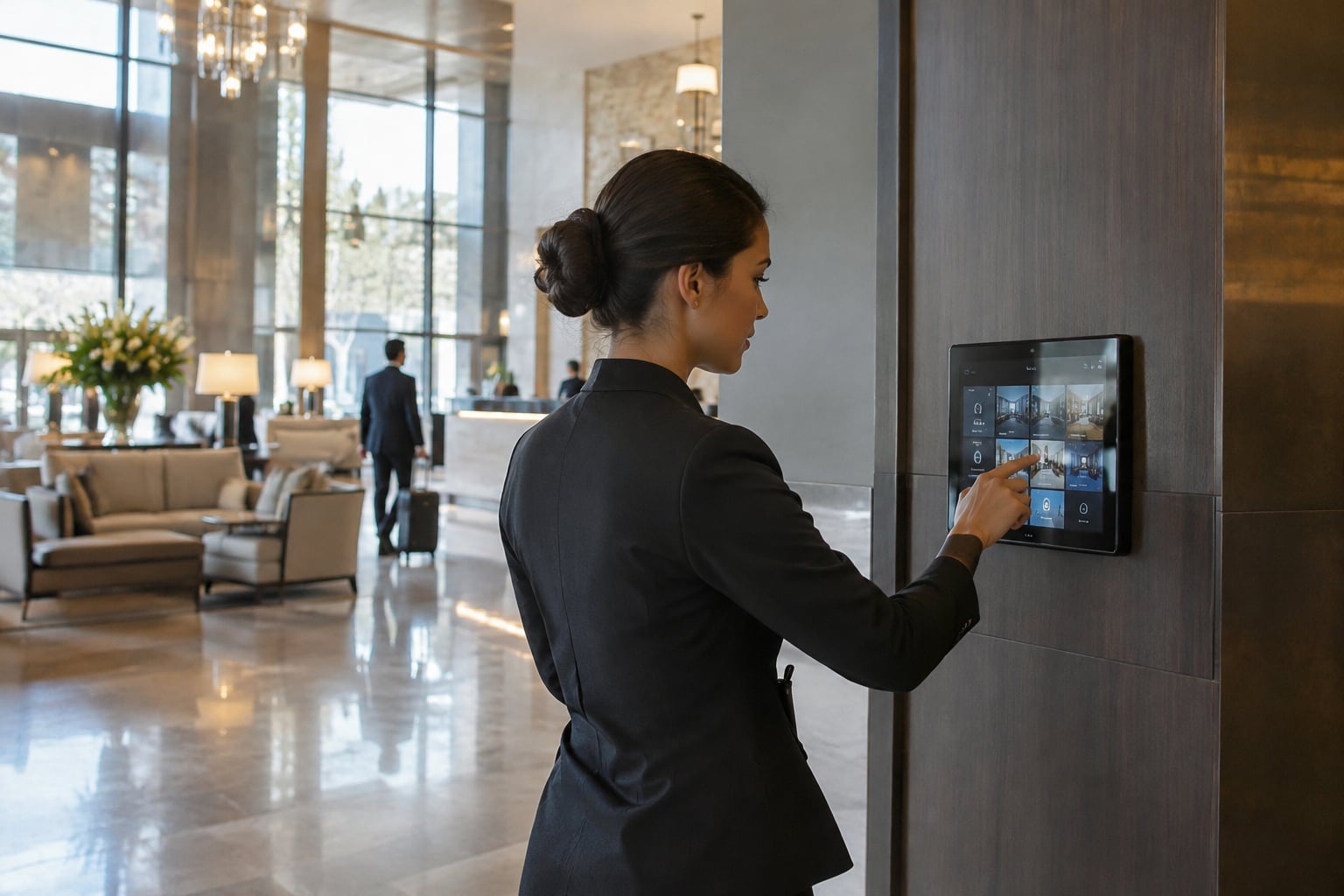
26 Oct Emerging Technologies in Hotel Operations by 2026
Emerging Technologies Reshape Hotel Operations by 2026
Technological advancements are driving a significant transformation in the hospitality industry, offering new opportunities for hotel owners and operators to enhance guest experiences and streamline operations. By 2026, hotels are expected to leverage improved data systems, AI-driven processes, and integrated platforms to reduce their reliance on online travel agencies (OTAs) and offer more personalized services.
Data Systems Empower Direct Engagement
One of the pivotal changes foreseen is the decreased dependency on OTAs. With the advancement of guest data systems, hotels can now foster direct relationships with their customers. A recent discussion highlighted that by 2026, hotels are expected to harness guest and reservation data more effectively, reducing OTA influence and creating direct digital engagement opportunities source. This shift allows hotels to tailor experiences and loyalty programs, fostering stronger guest loyalty.
AI Integration Enhances Operational Efficiency
Artificial intelligence (AI) is set to play a critical role in optimizing hotel operations. By automating administrative tasks, AI can free up staff to focus on improving human interactions with guests. The operational impact of AI is poised to increase significantly, enabling hotels to streamline processes and allocate resources more efficiently source. This evolution not only enhances operational efficiency but also improves the overall guest experience.
Unified Platforms Simplify Hotel Operations
Adopting integrated platforms like the newly launched Cloudbeds POS allows hotel operators to unify their property management systems with on-property retail sales and dining operations. This technology connects various operational aspects, from order taking to payment processing, within a single platform. By utilizing such systems, hotels can streamline their operations and provide seamless experiences across all guest touchpoints source. The ability to manage all guest interactions through a unified system is crucial for enhancing service quality and operational visibility.
Sustainability as a Competitive Edge
As consumer preferences shift towards sustainability, hotels that incorporate eco-friendly practices stand to gain a competitive advantage. Research indicates that consumers are willing to pay a premium for hotels that prioritize sustainability and local community support source. Hotels that integrate sustainable practices into their operations not only meet these consumer demands but also position themselves as leaders in the evolving hospitality landscape. For more insights on how hotels can differentiate through technology and sustainability, explore our Hotel Investment Trends article.
FAQs
What is the impact of improved data systems on hotel operations?
Improved data systems enable hotels to reduce reliance on OTAs by fostering direct customer engagement and delivering personalized experiences.
How will AI transform hotel operations by 2026?
AI is expected to automate administrative tasks, freeing staff to enhance guest interactions and streamline hotel operations, leading to improved efficiency and guest satisfaction.
Why is sustainability becoming important in the hospitality industry?
Consumers increasingly value sustainability, with many willing to pay more for hotels that adopt eco-friendly practices, making it a competitive differentiator for hotels.
To learn more about the latest trends in hospitality and how they affect independent hotels, visit the Latino Hotel Association for resources and insights.
No Comments