







16 Oct Indoor Air Quality Strategies for Hospitality Success
Optimizing Indoor Air Quality: A Key Strategy for Hospitality Success
Indoor air quality (IAQ) is critical for guest satisfaction and operational success in the hospitality industry. Poor IAQ can affect every aspect of a guest’s experience, from comfort and health to overall impressions of the hotel. As such, maintaining high-quality air should be a priority for hotel owners, particularly those looking to enhance their brand in a competitive market.
The Importance of HVAC Systems and Air Duct Maintenance
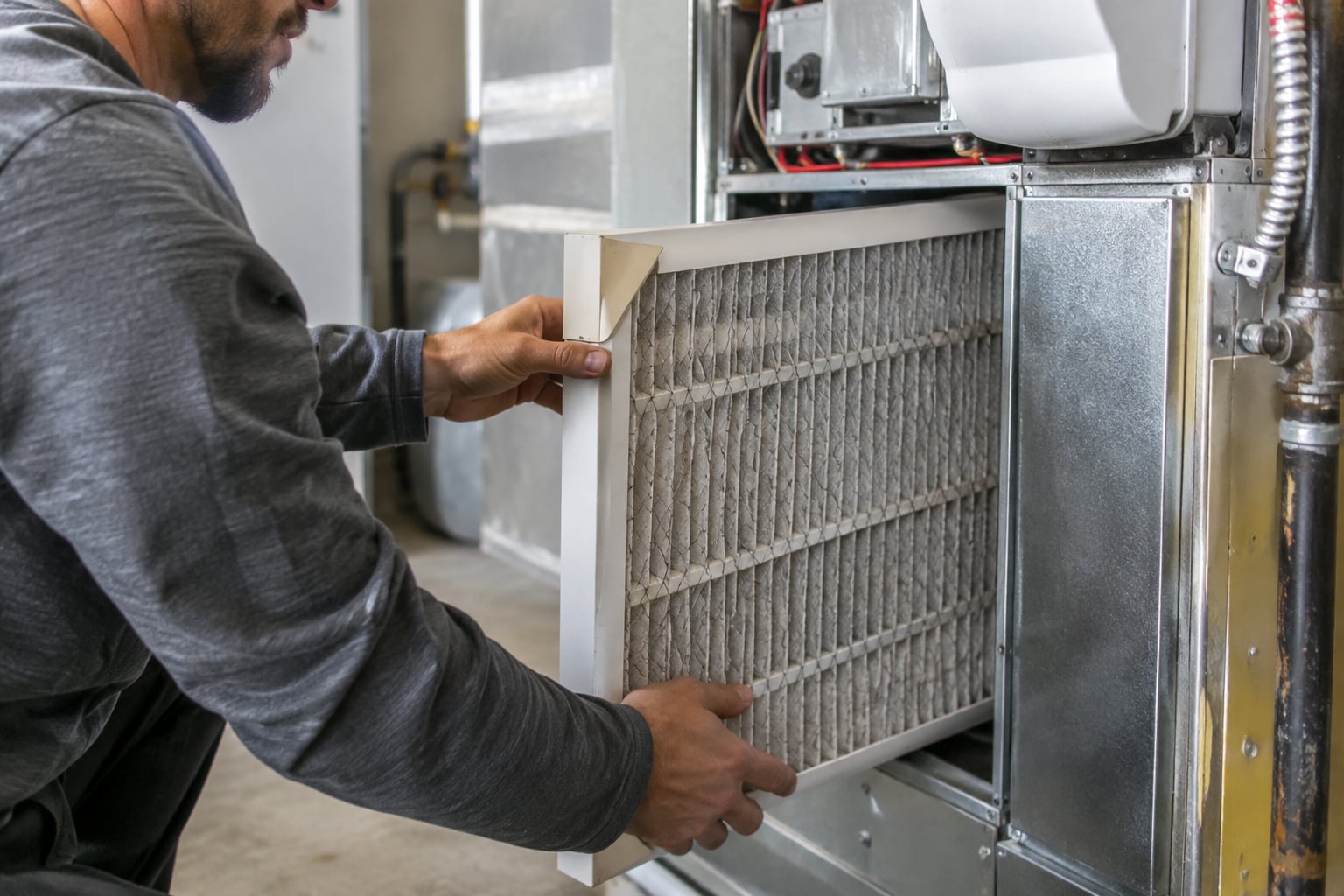
Effective HVAC systems are central to achieving optimal IAQ. They not only regulate temperature but also ensure that air is circulated and filtered to meet industry standards. According to Lodging Magazine, the ANSI/ASHRAE 62.1 standard requires air with no known contaminants at harmful concentrations, satisfying at least 80% of occupants. Meeting these standards is crucial, as poor air quality often results in negative guest reviews rather than formal complaints.
Regular air duct cleaning is integral to maintaining HVAC efficiency. Over time, ducts can accumulate dust and debris, which can harbor microbial growth. This is particularly relevant for hospitality properties that operate continuously and experience variable occupancy levels. Proper maintenance of these systems can prevent issues like “sick building syndrome,” where guests experience discomfort and health symptoms that dissipate once they leave the property.
The Business Case for Improved Air Quality
Investing in IAQ improvements is not just about compliance; it’s a strategic business decision that can impact a hotel’s bottom line. As noted by Latino Hotel Association, technological advancements in hotel operations, including HVAC systems, can enhance guest satisfaction and operational efficiency. By ensuring clean and fresh indoor environments, hotels can improve guest retention and foster positive reviews, which are vital in a competitive market.
Moreover, better air quality can reduce health-related issues among guests, decreasing liability risks and potential healthcare costs associated with poor IAQ. For Latino hotel entrepreneurs, focusing on IAQ can be a distinctive competitive advantage, aligning with broader goals of enhancing service delivery and guest experiences.
Looking Forward: Strategies for Maintaining IAQ
To maintain high IAQ, hotel owners should prioritize regular inspections and maintenance of HVAC systems and air ducts. This includes investing in advanced filtration technologies and smart HVAC systems that can adapt to changing occupancy levels and environmental conditions. Additionally, training staff on recognizing and addressing IAQ issues can be invaluable in preventing problems before they escalate.
Furthermore, hotels should consider integrating IAQ improvements into their broader technological and operational strategies. This aligns with trends highlighted in the Hotel Owners Leverage Technology for Financial Growth article, which discusses how technology can drive efficiency and profitability.
FAQ
What is indoor air quality (IAQ)?
Indoor air quality (IAQ) refers to the cleanliness and healthfulness of air within a building, measured by the absence of harmful contaminants and the satisfaction of occupants.
Why is HVAC maintenance important for hotels?
HVAC maintenance is crucial for ensuring good IAQ, which impacts guest comfort, health, and satisfaction. Well-maintained systems also operate more efficiently, reducing energy costs.
How can hotels improve their IAQ strategies?
Hotels can improve IAQ by investing in advanced HVAC systems, conducting regular inspections and cleanings, and training staff to identify and address air quality issues proactively.
No Comments